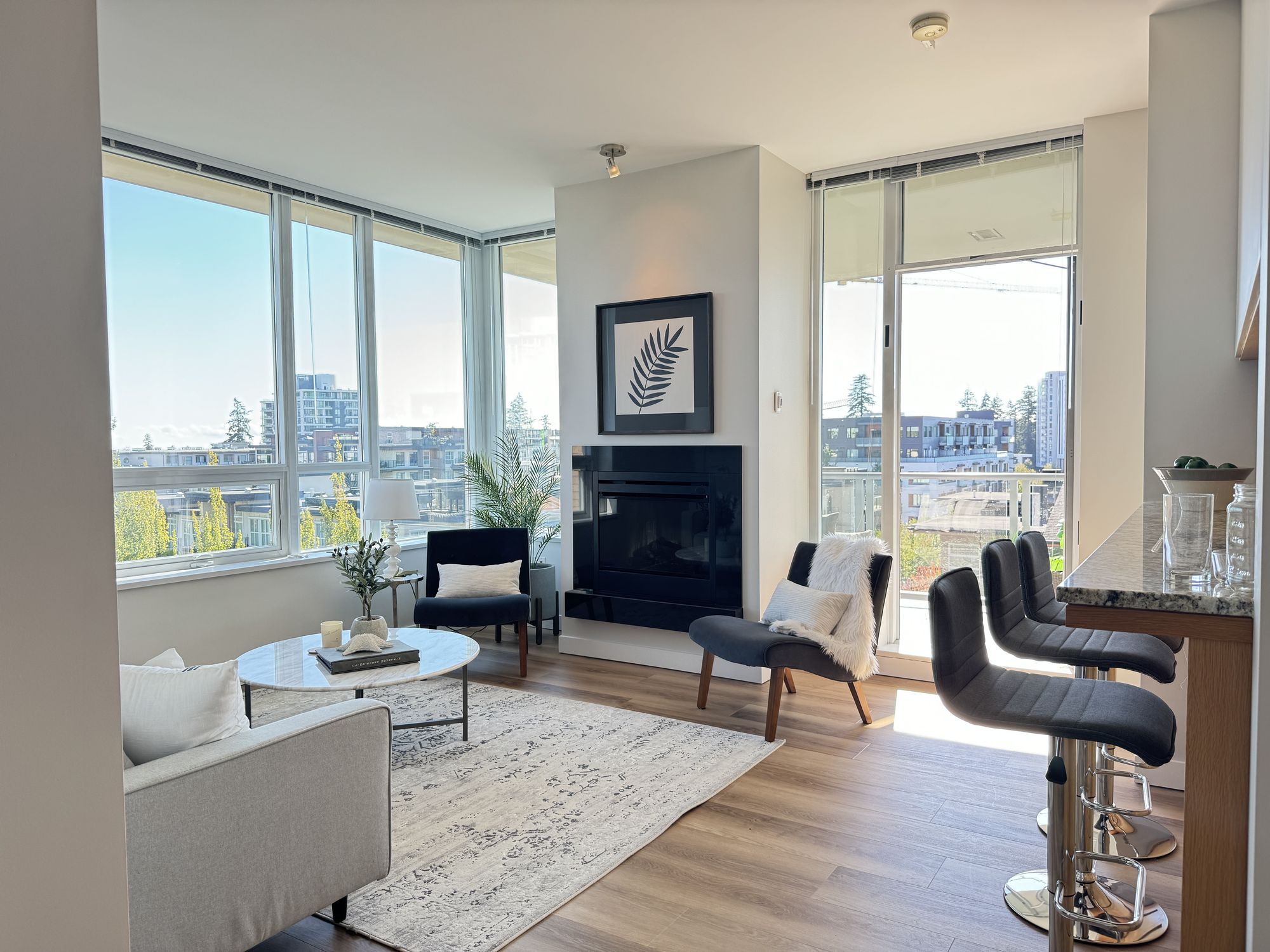
For parents of UBC students
Five years of rent near UBC adds up to about $120,000.
That money is gone at graduation. For the right family, the same money can help buy a home near campus that your student lives in, and that you keep long after. Here's how to tell whether that's you.
Based on a room in a $3,800-a-month two-bedroom, with rent rising 3% a year.
The decision
Buy, rent, or residence?
I've sat at a lot of kitchen tables with parents weighing this. Buying can give your son or daughter a stable home for their whole degree, take the housing question off the table, and leave the family with an asset it may hold for years. It also ties up capital and costs more each month than residence. Sometimes the right answer is to rent, and when it is, I'll tell you.
The two-bedroom approach. Your student lives in one bedroom, and a roommate's rent helps carry the costs. After graduation, you keep it as a rental, your student stays on, a younger sibling moves in, or you sell.
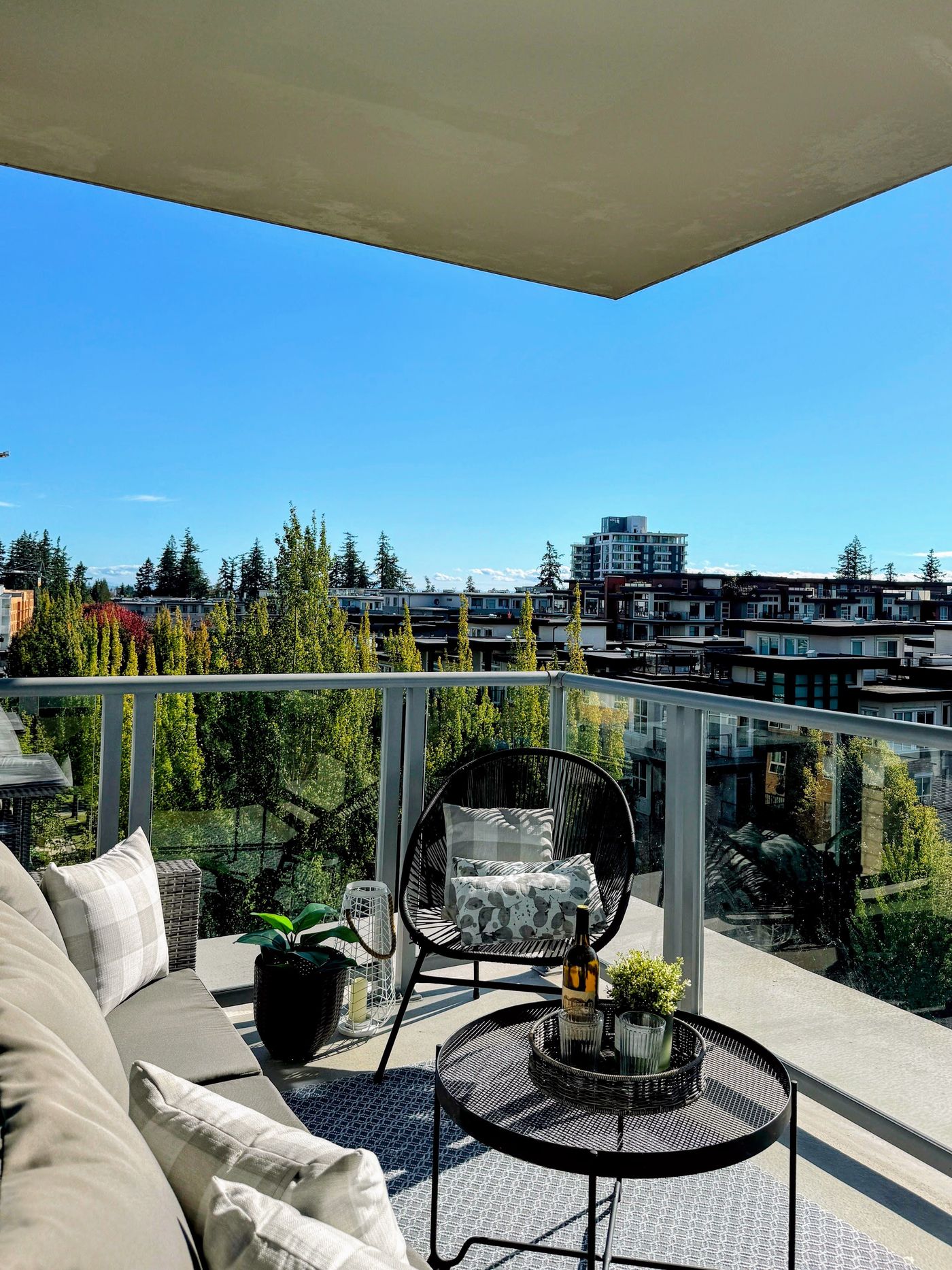
A worked example · illustrative only · October 2026
What it costs each month
| Monthly, buying a 2-bed | Amount |
|---|---|
| Mortgage interest (average, first 5 years) | $2,500 |
| Strata fees | $456 |
| Rural tax + Services Levy | $247 |
| Insurance + maintenance reserve | $150 |
| Less the roommate's rent | −$1,900 |
| Opportunity cost of the down payment and closing costs (4%) | $758 |
| Economic cost to the family | ≈ $2,210 |
| Monthly, the alternatives | Amount |
|---|---|
| UBC residence, shared room (2026/27, 12-month contract) | ≈ $1,100 |
| A room in a shared 2-bed renting for $3,800 | ≈ $1,900 |
Assumptions: an $840,000 newer 2-bed, 2-bath condo in Wesbrook (based on a current listing), 25% down plus about $17,500 in closing costs, a $630,000 mortgage at 5% over 30 years, and the building's actual strata fee and tax plus levy. Insurance and maintenance are my estimates. Principal repaid (about $865 a month early on) is left out because it builds equity rather than being a cost. Actual cash out of pocket after the roommate's rent would be about $2,315 a month, before counting the $1,900 a month you'd otherwise spend on your student's housing. One-time costs: about $14,800 in property transfer tax, plus legal and moving costs now, and selling costs later. Your numbers will differ.
What the example shows
On monthly numbers alone, residence is cheapest and renting a room comes close. The case for buying shows up over ten years, as the next section shows, and it depends on the plan and the market. That's why I start every one of these conversations with your numbers rather than a pitch.
The 10-year picture · illustrative only
About 10.5% a year on the family's money, in this example
Over ten years, with your student living there for the first five and the condo fully rented for the next five, the family's return in this example works out to about 10.5% a year on the $227,500 down payment and closing costs. That counts the $1,900 a month you'd otherwise spend on your student's housing as part of the return. For comparison, the same money left in a portfolio earning 6% a year would grow to about $419,000, against about $638,000 of equity in the condo at the end of year 10. If values grow 2% a year instead of 3.5%, the return drops to about 7.5%, and with no growth, to about 2.7%.
| Value growth per year | Return on $227,500 |
|---|---|
| 0% | ≈ 2.7% |
| 2% | ≈ 7.5% |
| 3.5% (this example) | ≈ 10.5% |
| 5% | ≈ 13.3% |
| The same $227,500 in a portfolio | Value at year 10 |
|---|---|
| Earning 5% a year | ≈ $380,000 |
| Earning 6% a year | ≈ $419,000 |
| Earning 7% a year | ≈ $460,000 |
| Earning 8% a year | ≈ $506,000 |
| Condo equity at year 10 (3.5% growth) | ≈ $638,000 |
Assumptions: the same $840,000 newer 2-bed as above, 25% down, a 5% rate over 30 years, $3,800 market rent rising 3% a year (your student and a roommate each pay half for the first five years), 2% vacancy once fully rented, costs rising 3% a year, 3.5% annual growth in value and 3% selling costs at year 10. The portfolio figures assume the family would also invest whatever extra the condo would have cost them each year. Pre-tax. Illustrative, not a forecast.
Financing
Cash, a mortgage, or your home's equity
Many families I work with could pay cash. Whether they should depends on what the money would otherwise do, and on how much risk they want.
All cash
Simplest, with no qualifying and no rate risk. In the same example, an all-cash purchase returns about 7% a year at 3.5% growth, and about 4% with no growth. Leverage adds return when values rise and takes it away when they don't.
25% down
The example above. Because you won't live there yourself, most lenders will treat it as a rental, which can affect the rate and how much of the rent they count. A mortgage broker who knows UBC is worth a call before you shop.
Borrowing against your home
Some families fund the down payment from a line of credit on their own home. Whether that interest is deductible, and how it fits your wider plan, are questions for your accountant.
Is it right for you?
Where it tends to work, and where it doesn't
Often a good fit
- More than one child coming through UBC
- A plan to hold for 8–10 years or more
- Comfortable being a landlord, or hiring one
- Capital that isn't needed elsewhere in that time
Often not a fit
- A one- or two-year stay
- A monthly gap that would strain the budget
- Needing to sell on a fixed date
Check before you buy (these vary by building)
- The bylaws on pets and short stays, and the depreciation report.
- The roommate. If you own the condo but don't live there, your student's roommate is likely your tenant under BC's Residential Tenancy Act, with full RTA protections. The Act's exemption only applies when a tenant shares a kitchen or bathroom with the owner. Use a proper written tenancy agreement.
- Rent from a roommate is taxable rental income to the owner.
- Insurance, and whether your lender will count the rental income.
Questions for your lawyer and accountant
- Whose name goes on title: parent, child or both?
- What are the principal residence and capital gains implications of each option?
- If your child is on title or pays rent, do any attribution rules apply?
- How does the condo fit your estate plan, and a younger sibling's future use?
- Does any first-time buyer property transfer tax exemption apply?
- How does the speculation and vacancy tax declaration apply to us, including if we live outside BC?
- Are there bare-trust or other reporting requirements?
- What does co-signing or guaranteeing the mortgage involve?
- How are education-savings withdrawals used for rent taxed?
Working together
What I'll run for you
- Residence, renting and buying side by side, on your student's timeline and your family's plans.
- The 10-year numbers on a real purchase price and your preferred financing, including the all-cash case.
- A short list of buildings that suit: rental-friendly bylaws, layouts with split bedrooms, and sound depreciation reports.
- A list of questions to take to your accountant, lawyer and mortgage broker.
How I helped one family
A few years ago, an Alberta family with one daughter starting at UBC asked whether to keep renting or buy a one-bedroom. We ran both. Their daughter would rent from them at market rate under a proper tenancy agreement, partly from her education savings, with her parents covering the gap. Once we counted the mortgage principal being paid down, owning cost them around $600 a month more than renting, and the condo only needed modest growth in value to come out ahead. Just as important to them, she had a secure home for her whole degree, and they kept their options open: rent it out afterwards, or keep it for their younger child if they choose UBC.
A note on leasehold
UBC homes are prepaid leaseholds
Condos at UBC are sold as prepaid 99-year leaseholds. There's no ground rent, and every lease still has decades to run. In my experience, mainstream lenders finance them much as they do freehold condos, and owners pay the same total property tax as in Vancouver.
The full guide to buying and selling at UBC →Questions
Common questions from parents
Should I buy a condo for my child at UBC, or pay for residence?
It depends on your time horizon, budget and plans after graduation. On monthly numbers alone, residence is usually cheaper. Buying tends to make sense for families planning to hold for many years, especially with more than one child coming through. I'll run your numbers so you can compare.
If my child's roommate pays rent, is that taxable, and are they a tenant?
Rent is taxable rental income to whoever owns the condo. If you own it and don't live there, the roommate is likely your tenant under BC's Residential Tenancy Act. Confirm the details with your accountant and lawyer.
Should we pay cash or use a mortgage?
In the example on this page, 25% down returns about 10.5% a year against about 7% for all cash, at 3.5% annual growth. With no growth, the order flips. The right choice depends on what the money would otherwise do and how much risk you want.
How long do we need to hold it for this to make sense?
Buying and selling costs mean short holds rarely work. In my experience, families who plan to hold for eight to ten years or more, often through a second child or a rental period after graduation, are the ones for whom the numbers make sense.
Can we get a mortgage on a UBC leasehold condo?
In my experience, yes. Mainstream lenders finance UBC's prepaid leaseholds much as they do freehold condos. Because you won't live there yourself, most lenders will treat it as a rental.
Let's run your family's numbers.
A short call, your student's timeline and your goals. If renting makes more sense, you'll hear that from me.
This is general information, not financial, tax or legal advice. Get advice from your own accountant and lawyer.
Sources (checked October 30, 2026)
 The data relating to real estate on this website comes in part from the MLS® Reciprocity program of either the Greater Vancouver REALTORS® (GVR), the Fraser Valley Real Estate Board (FVREB) or the Chilliwack and District Real Estate Board (CADREB). Real estate listings held by participating real estate firms are marked with the MLS® logo and detailed information about the listing includes the name of the listing agent. This representation is based in whole or part on data generated by either the GVR, the FVREB or the CADREB which assumes no responsibility for its accuracy. The materials contained on this page may not be reproduced without the express written consent of either the GVR, the FVREB or the CADREB.